




Rubbish removal near Stockwell Station SW9
Posted on 27/07/2026
Rubbish removal near Stockwell Station SW9: a practical local guide
If you are looking for rubbish removal near Stockwell Station SW9, chances are you need the job done quickly, cleanly, and without turning your day upside down. Maybe it is a flat clearance after a move, a pile of builder's waste that has been staring at you for a week, or the kind of awkward household junk that somehow grows legs and takes over the hallway. Near a busy station, timing matters. Access matters. Neighbours matter too.
This guide walks you through what local rubbish removal actually involves, how the process usually works, which service types are worth considering, and what to check before you book. It is written for real people with real mess to deal with. Simple as that.
For a broader view of the company's service range, you may also want to look at the services overview and the dedicated rubbish removal Stockwell page.
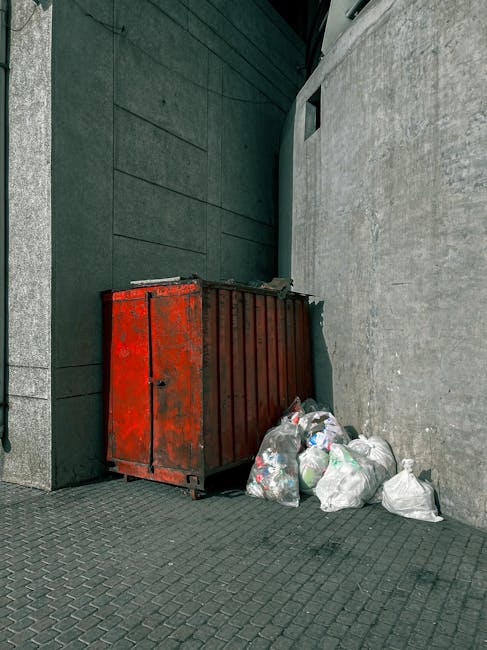
Why Rubbish removal near Stockwell Station SW9 Matters
Stockwell Station sits in a part of London where streets can feel busy, tightly parked, and a little unforgiving if waste is left out for too long. That makes local rubbish removal more than a convenience. It is often the difference between a smooth day and a messy one. Bagged waste on the pavement can get in the way of pedestrians. Bulky items can make stairwells awkward. Old furniture, plasterboard, broken shelving, garden clippings, or office junk all add up fast.
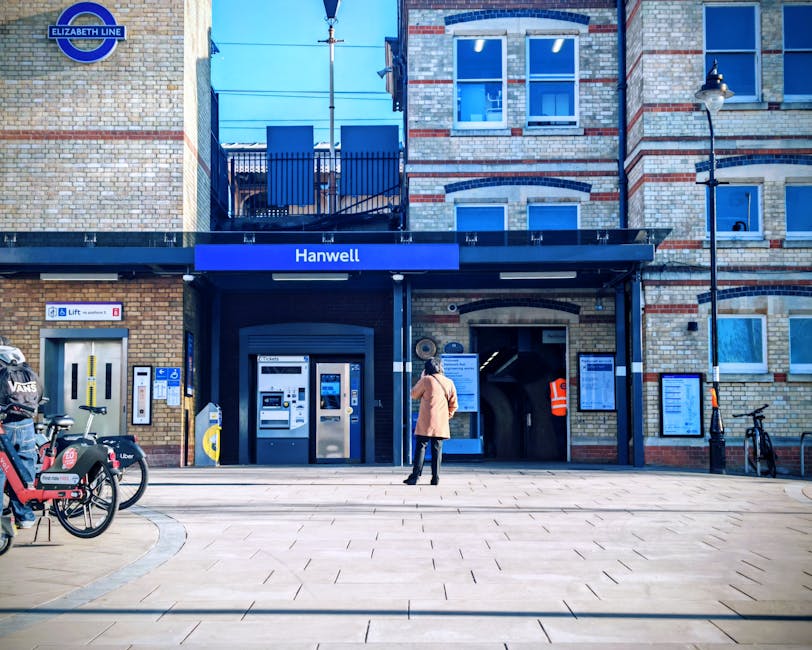
Near a station, there is also the simple reality of access. Vans may need to stop briefly. Lift access may be limited. Some properties have tight front steps or narrow communal halls. A team that understands the area tends to handle those frictions better, because they know what they are walking into before they knock on the door.
It also matters for presentation. If you are selling a property, refreshing a rental, or preparing a business unit, a clear space immediately changes how it feels. You notice the air in the room, the floor space, the light. Truth be told, clutter can make even a nice place feel stressed.
For readers managing a move or property project, the local blog content on selling your house in Stockwell and real estate in Stockwell offers useful nearby context.
How Rubbish removal near Stockwell Station SW9 Works
In most cases, the process is straightforward. You describe what needs to go, the provider estimates the load, and a collection is arranged. Depending on the job, the team may collect from inside the property, from the kerbside, or from a garden, garage, basement, or office floor. The exact method depends on access and what you are disposing of.
A proper local rubbish removal service usually starts with a clear conversation about volume and waste type. Is it mixed household rubbish? Heavy builders' waste? Green waste? Office furniture? One bag of clutter is different from a full flat clearance, and pricing is usually based on how much space the items take up in the vehicle, plus handling requirements. That is normal. It is not a trick; it is how the work stays practical.
Collection day is generally simple. The team arrives, loads the waste, and removes it for sorting, reuse, recycling, or lawful disposal where appropriate. If you have fragile access, shared hallways, or a controlled entry system, it helps to mention that in advance. A little warning goes a long way. Nobody enjoys the awkward moment of trying to pivot a mattress around a stair landing at the last second.
Some jobs are more specialised. Builders often need a dedicated builders waste disposal Stockwell service. Gardeners and homeowners often need garden waste removal Stockwell. Offices usually need a more structured approach, which is where office clearance Stockwell can be useful.
Key Benefits and Practical Advantages
The biggest benefit is speed. You do not have to hire a van, recruit a friend with a sore back, or spend half the weekend doing multiple dump runs. That alone is worth a lot for people living near a station, where time is already split between commuting, work, family, and everything else.
Another strong benefit is reduced stress. Waste clearance sounds simple until you are standing in front of six old cupboards, two broken chairs, and a pile of random boxes you no longer remember packing. A good service removes the decision fatigue as well as the rubbish.
There are also practical safety advantages. Heavy items, sharp edges, damp materials, and awkward lifting can all cause problems in narrow homes and shared buildings. Professional handling lowers the risk of damage to walls, stair rails, floors, and lifts. That is especially important in older Stockwell properties where access can be tight and finishes are not always forgiving.
Environmentally, it can also be a better choice when the company follows recycling-led sorting. Not everything should end up in general waste. If items can be reused, separated, or processed responsibly, that is better all round. If sustainability matters to you, the page on recycling and sustainability is worth a look.
Expert summary: Local rubbish removal is most valuable when speed, access, and peace of mind matter at the same time. Near Stockwell Station SW9, that combination comes up more often than people think.
Who This Is For and When It Makes Sense
This kind of service fits a lot of situations. Homeowners use it after decluttering, renovations, or a move. Landlords call it between tenancies. Tenants often need a quick clear-out before checkout. Tradespeople use it after a small build, refit, or strip-out. Office managers use it when furniture, monitors, archive boxes, and old desks have quietly taken over the room.
It also makes sense for people who do not have the time, mobility, or transport to deal with waste themselves. Let's face it, not everyone wants to load a sofa into a borrowed vehicle on a wet Tuesday. And if you live near Stockwell Station, parking and loading can make a simple job feel twice as hard.
For bigger domestic clearances, a dedicated house clearance Stockwell service may be more suitable. For general mixed waste, the broader waste clearance Stockwell option may be a better fit. Choosing the right type of service is often the difference between a smooth job and a slightly chaotic one.
There are also local life moments that create demand: before a tenancy inspection, after a small event, during spring clean season, or when a spare room has become, frankly, a storage archive. If you enjoy a bit of local context, the articles on Stockwell neighbourhoods and Stockwell life and local views paint a useful picture of the area.
Step-by-Step Guidance
If you want a clean result without unnecessary back-and-forth, follow a simple process.
- List what needs to go. Be honest and specific. A "few bags" and a "few bags plus a wardrobe, a mattress, and some dismantled shelving" are not the same thing.
- Separate obvious categories. Keep bulky furniture, bagged rubbish, green waste, and builders' materials apart if you can. It helps with quoting and loading.
- Check access. Think about stairs, lifts, parking, rear access, and whether the collection point is inside or outside.
- Ask about the collection method. Some providers collect from the property, others prefer curbside pickup for certain loads. Clarify this early.
- Confirm what cannot be taken. Certain items may need special handling. It is better to ask than to guess.
- Choose a time that suits the building. In a busy SW9 location, midday may be easier than rush hour. Neighbours will appreciate that too.
- Prepare the items beforehand. If safe to do so, place them together and make access easy. The more you help the flow, the quicker it goes.
- Do a final check after collection. Look for loose screws, hidden rubbish behind furniture, or anything left in cupboards.
A small note: if the job is part of a larger property update, such as a refresh before sale or rent, time the waste removal before cleaning and photography. That sequence usually works better. A room feels different once the old stuff is gone, and yes, the dust reveals itself quickly.
Expert Tips for Better Results
First, take photos before you call. Not because anyone needs a glamour shot of your old filing cabinet, but because images help assess volume and access. One picture of a pile in a corner can save a lot of explaining.
Second, be clear about heavy items. A plasterboard stack, broken bath, or bulky wardrobe changes the job. So does mixed material. That way, the team can arrive ready, rather than improvising on the doorstep.
Third, if you are clearing a flat near the station, think about building etiquette. A short lift booking, a quick note to neighbours, or a timing window that avoids school runs can make the job much smoother. It sounds small. It isn't small, actually.
Fourth, choose a provider with transparent pricing and visible policies. The pages on pricing and quotes, payment and security, and insurance and safety are useful reference points for the kind of reassurance a customer should expect.
Fifth, do not leave sorting until the last minute. If you can, remove valuables, paperwork, chargers, and anything sentimental first. People often forget the drawer at the back. Then they remember. Usually too late.
And one more thing: if you are unsure whether your waste is best handled as a general clearance or a project-specific collection, ask. Good operators tend to prefer clarity. So do customers, once the dust settles.
Common Mistakes to Avoid
The first mistake is underestimating volume. A single room of mixed clutter can become a larger load than it looks. Boxes, broken flat-pack furniture, and soft furnishings are deceptive. They occupy more vehicle space than people expect.
The second is poor access planning. In central and near-central London, access can shape the entire job. If parking is tight or the lift is tiny, mention it early. Otherwise, the collection may take longer than it should.
The third is mixing waste types without thinking about it. Builders' rubble, green waste, office items, and household waste are not all treated the same way. The more mixed and awkward the load, the more important it is to describe it properly.
The fourth is assuming every provider handles everything. Some items need special arrangements, some loads need extra manpower, and some jobs are better split into stages. It is not unusual at all. It just needs a plan.
The fifth is forgetting the aftermath. A cleared room may still need sweeping, wiping, or a second look behind storage furniture. People often expect the job to end at the loading stage, but a small amount of tidying afterwards usually makes a real difference.
Tools, Resources and Recommendations
You do not need a lot of specialist equipment to prepare for rubbish removal, but a few simple tools can make life easier.
- Strong bin bags or rubble sacks for loose items and smaller waste.
- Labels or sticky notes if you want to mark items to keep, donate, or remove.
- Measuring tape for bulky furniture and access points, especially if a lift is involved.
- Gloves if you are sorting sharp, dusty, or awkward items in advance.
- Phone photos to help explain the load clearly.
For planning around property moves or upgrades, the related Stockwell blog content can be surprisingly handy. If you are dealing with a sale timeline, start with selling your house in Stockwell. If you are deciding between services, our services gives a broader overview of what is available.
If you are dealing with a business clear-out, the office clearance Stockwell page is a helpful starting point. And for those wanting to understand the company's approach and ethos, the about us page is useful too.
Law, Compliance, Standards, or Best Practice
Waste removal in the UK should be handled carefully and responsibly. You do not need to become a compliance specialist to book a collection, but you should expect sensible standards from the provider. That means lawful handling, appropriate disposal routes, safe lifting, and a process that avoids fly-tipping or careless dumping.
As a customer, the key best practice is simple: be honest about what you are disposing of, keep anything sensitive or personal out of the pile, and use a provider that explains how waste is managed. If the job involves commercial premises, make sure the team understands any building rules, loading access restrictions, or site procedures. A bit of professional discipline goes a long way.
It is also wise to pay attention to transparency around terms, privacy, cookies, and service conditions if you are booking online. Those aren't glamorous topics, admittedly, but they matter. The site's terms and conditions, privacy policy, and cookie policy are the sort of pages a careful customer should review.
There is also a broader ethical side. Waste businesses should handle people, materials, and labour responsibly. For that reason, a page like modern slavery statement can be a reassuring signal, even if it is not the first thing you think about when clearing a room.
Options, Methods, or Comparison Table
Not every clearance needs the same approach. Here is a simple comparison to help you decide what fits best.
| Option | Best for | Typical strengths | Things to watch |
|---|---|---|---|
| General rubbish removal | Mixed household clutter, bagged waste, light bulky items | Flexible, quick, straightforward | May not suit heavy construction waste |
| Builders' waste disposal | Renovation debris, rubble, timber, site clear-outs | Good for trade jobs and refurbishments | Needs accurate description of materials |
| Garden waste removal | Branches, soil, hedge cuttings, outdoor waste | Clean and practical for outdoor jobs | Volume can be larger than expected |
| House clearance | Whole-room, flat, or estate-style clearances | Useful for bigger domestic jobs | Can take longer and needs planning |
| Office clearance | Desks, chairs, boxes, office equipment | Helps businesses reset quickly | May require building access coordination |
If you are still deciding, the safest option is usually the one that matches the waste type most closely. That sounds obvious, but in practice people often pick a general option for a job that would be better served by something more specific.
Case Study or Real-World Example
Here is a typical local scenario. A tenant in a Stockwell flat just off the station has a moving deadline on Friday morning. There is a mattress, a dismantled wardrobe, three bags of mixed household waste, an old desk, and some broken shelving from the spare room. Nothing dramatic. Just enough to be annoying.
They start by grouping everything in one room and taking a few photos. Then they check whether the lift is available, note the narrow stairwell, and make sure the hallway is kept clear. That extra ten minutes of preparation saves a lot of faff later. The collection is arranged, the team arrives with the right vehicle and lifting plan, and the flat is cleared before the next round of cleaning.
What made the difference? Not magic. Just preparation, clear communication, and choosing the right service for the job. If the same person had tried to do it alone, they would likely have spent the day shuttling back and forth, wrestling with parking, and ending up with an aching back and a half-empty van. Nobody needs that level of excitement.
This is the kind of practical, low-drama result people usually want from rubbish removal near Stockwell Station SW9. Fast in. Clean out. Move on.
Practical Checklist
Use this before booking a collection.
- List all items clearly, including bulky pieces.
- Separate waste types where possible.
- Take photos of the load and access route.
- Check stair, lift, and parking limitations.
- Remove valuables, documents, and personal items.
- Confirm whether the job is general, domestic, garden, office, or builders' waste.
- Ask about pricing, timing, and collection method.
- Review the provider's safety and service information.
- Plan the job before cleaning or decorating starts.
- Do a final sweep after the removal is complete.
If you want to narrow your choice further, start with the relevant service pages and work outward from there. A few minutes spent choosing the right type of clearance can save a surprisingly large amount of hassle later.
Get a free quote today and see how much you can save.
Conclusion
Rubbish removal near Stockwell Station SW9 is really about more than taking things away. It is about making a busy local space easier to live in, work in, or hand over. Whether you are clearing a flat, tidying a garden, emptying an office, or dealing with renovation leftovers, the best results come from clear planning and the right type of service.
Near a station, the details matter a bit more: access, timing, neighbours, parking, all of it. But once those pieces are handled, the process can be refreshingly simple. And when the last bag leaves the building, the room often feels lighter straight away. A little calmer too. That is the part people remember.
If you are ready to deal with the clutter properly, take the next step and choose the clearance approach that fits your situation best. It is one of those jobs that looks bigger before it is done. Afterward, it feels oddly satisfying.


 Tipper Van - Rubbish Removal and Waste Clearance Prices in Stockwell, SW8
 Luton Van - Rubbish Removal and Waste Clearance Prices in Stockwell, SW8