




Recycling and rubbish tips for Lansdowne Way Stockwell
Posted on 13/10/2026
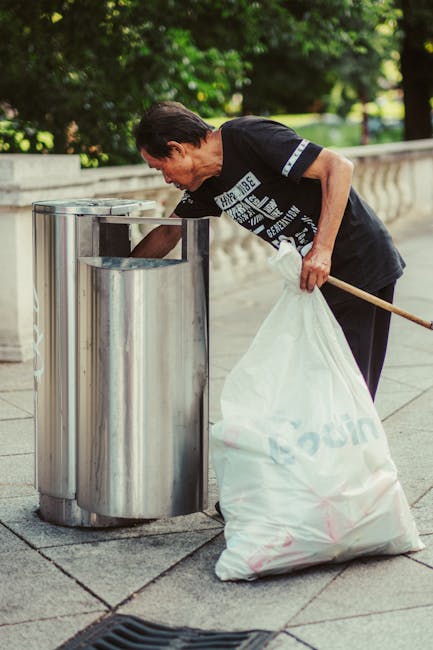
If you live, work, or manage a property near Lansdowne Way in Stockwell, waste can become one of those everyday jobs that quietly gets messy. Bags pile up, recycling rules feel fiddly, and suddenly you are wondering what to do with broken furniture, cardboard, green waste, or a flat full of clutter. This guide to Recycling and rubbish tips for Lansdowne Way Stockwell is here to make the whole thing simpler, calmer, and a lot more practical. We will walk through how local waste handling works, what to recycle, what to keep separate, and when it makes sense to use a professional clearance service.
Truth be told, most waste problems are not dramatic. They are just inconvenient. A few wrong items in the recycling bin, a missed collection, or a pile of packaging after a move, and the whole thing snowballs. Let's fix that.
- Why recycling and rubbish tips matter here
- How the process works
- Key benefits and practical advantages
- Who this is for
- Step-by-step guidance
- Expert tips for better results
- Common mistakes to avoid
- Tools, resources and recommendations
- Law, compliance and best practice
- Options and comparison
- Case study
- Practical checklist
- Conclusion
- Frequently asked questions
Why Recycling and rubbish tips for Lansdowne Way Stockwell Matters
Stockwell is busy. Flats turn over, households grow, small businesses operate from compact spaces, and building works pop up more often than people expect. In a place like Lansdowne Way, waste is not just about a bin at the kerb. It is about keeping entrances clear, avoiding unpleasant smells, reducing missed collections, and making sure rubbish does not create a nuisance for neighbours or passers-by.
Good waste habits also save time. A lot of time, actually. When you sort rubbish properly from the start, you spend less effort untangling mixed bags, lifting heavy loads twice, or discovering that a "recycling" sack is too contaminated to be useful. That is the sort of thing that sounds minor until you are carrying it down three flights of stairs in a narrow hallway, wondering why you ever kept that old lamp.
There is also the wider environmental side. Recycling, reusing, and disposing of waste properly helps reduce what goes to landfill or incineration. You do not need to be a sustainability enthusiast to care about that. A cleaner street, fewer overflow issues, and less fly-tipping are benefits anyone can appreciate.
Practical takeaway: if waste is managed well at the household or business level, everything around it works better too - from cleanliness and safety to neighbour relations and collection reliability.
How Recycling and rubbish tips for Lansdowne Way Stockwell Works
At a practical level, waste handling in Stockwell usually comes down to a few simple flows: what can be recycled, what needs general disposal, what needs special handling, and what should be booked for collection rather than left out on the pavement. For many residents, the confusion starts because different materials behave differently. Cardboard, food waste, black bags, broken electronics, and garden offcuts do not all follow the same route.
In a typical home or small commercial setting, the first step is separation. That means keeping clean recyclables apart from general rubbish and bulky items. The second step is choosing the right exit point. Some items can go in local recycling streams; others need a waste carrier, a tip run, or a specialist removal service. The third step is timing. If you leave a pile of mixed rubbish too long, it becomes awkward, less hygienic, and more likely to get ignored by passers-by or opportunists. Not ideal.
For a lot of people on Lansdowne Way, the best setup is a simple one: separate recyclable materials as they are created, bag general waste securely, flatten cardboard where possible, and make a quick decision on anything awkward rather than letting it linger for weeks. It sounds basic because it is basic. But basic systems are often the best ones.
What usually belongs in the recyclable stream
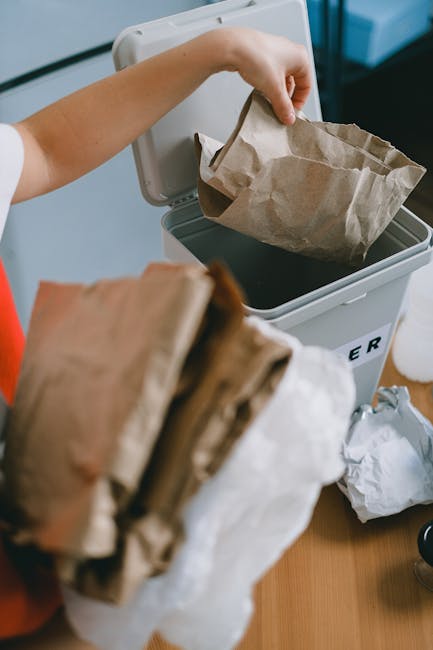
Recycling rules can vary depending on the collection setup, but common recyclable materials often include clean cardboard, paper, certain plastics, tins, cans, and glass. The big word there is clean. Food residue, liquid, and heavy contamination can ruin the lot. A greasy pizza box with just the stained base left over, for example, may not belong in the same place as clean cardboard packaging.
What usually belongs in general rubbish
General rubbish is where mixed, contaminated, or non-recyclable everyday waste normally goes. Think food scraps, used tissues, hygiene waste, and items that cannot be easily separated or recovered. It is also where many people accidentally dump things that should not go there, like batteries, paint, or old electronics. That is where problems begin.
When a rubbish tip or clearance service makes more sense
If you have bulky items, building debris, large volumes of packaging, or a flat full of unwanted furniture, then a normal bin is rarely enough. This is where a rubbish removal or clearance solution can save the day. It is particularly useful after a move, renovation, office refresh, or garden tidy-up. If you want to explore broader service options, the services overview is a helpful place to start, and the company's recycling and sustainability approach gives more context on how waste is handled responsibly.
Key Benefits and Practical Advantages
There is a strong practical case for getting rubbish and recycling right around Lansdowne Way. The benefits are not abstract. You feel them day to day.
- Cleaner living space: less clutter, fewer odours, and less chance of pests.
- Safer access: hallways, front steps, and shared entrances stay clear.
- Better recycling outcomes: cleaner sorting means more material can be recovered.
- Faster clear-ups: whether it is after a refurb or a weekend declutter, the job finishes sooner.
- Less stress: you are not left staring at a growing pile thinking, "I'll deal with that tomorrow."
- More considerate for neighbours: especially in flats and terraced streets where space is tight.
There is a financial side too. Better sorting and smarter disposal choices can reduce repeat handling and cut the chance of having to book a second collection because the first one was not prepared properly. A little planning saves a surprising amount of hassle.
And to be fair, there is a satisfaction in it. A tidy yard or cleared hallway at the end of the day just feels better. You hear the echo of the space again. Everything looks lighter.
Who This Is For and When It Makes Sense
This guidance is useful for a wide range of people in Stockwell, not just homeowners. If you are near Lansdowne Way, you may recognise yourself in one of these situations.
Households and tenants
If you are dealing with everyday recycling, end-of-tenancy rubbish, packaging from deliveries, or a seasonal clear-out, simple sorting habits make life easier. Flats, especially, can fill up quickly with things that are "only temporary" and then somehow stay there for six months. It happens.
Landlords and letting agents
Void periods, tenant move-outs, and post-occupancy clearances often produce mixed waste. The challenge is not only removing it but doing so quickly enough to prepare the property for the next stage without leaving behind leftover rubbish or recycling confusion.
Local businesses and home workers
Shops, studios, offices, and home-based businesses produce packaging, paper waste, and occasionally bulky items or old equipment. A regular, consistent waste plan helps keep the space professional and compliant-looking, which matters more than people think.
Renovators and DIYers
Building waste is its own world entirely. Plaster, timber, broken fixtures, tiles, and mixed rubble all need a different approach from household rubbish. If your project is small, a tidy skip or clearance booking may be enough. If it is larger, you will want a more structured plan. For heavier renovation debris, builders waste disposal in Stockwell can be a better fit than trying to force everything into standard waste streams.
People clearing gardens or outside spaces
Old soil bags, hedge trimmings, broken pots, and rotting garden furniture all add up. Garden waste looks harmless until it starts occupying a whole corner of the yard. For that sort of job, garden waste removal in Stockwell is often the most practical route.
Step-by-Step Guidance
If you want a straightforward process that works in real life, use this. It is not flashy, but it holds up.
- Walk the space first. Look at what needs to go and group it by type: recycling, general rubbish, bulky items, and anything hazardous or unusual.
- Separate clean recyclables. Cardboard, paper, cans, bottles, and clean plastics should be kept apart from food waste and contaminated rubbish.
- Break down bulky items where safe. Flatten boxes, remove drawers from old furniture if practical, and secure loose parts. Just do not take apart anything that could be dangerous.
- Bag general waste securely. Use strong bags, tie them properly, and avoid overfilling. Splitting a heavy bag into two lighter ones is usually smarter.
- Identify special items early. Batteries, electrical items, paint, sharp objects, and large appliances need extra thought.
- Choose the right disposal route. Small household volumes may fit local collection methods, but bulky loads often need a removal service or a trip to a waste facility if you are making that journey yourself.
- Check access before collection day. Make sure bins, bags, or furniture can be reached without blocking entrances or stairwells.
- Confirm the finish point. The job is not done when the rubbish is outside. It is done when the waste has gone, the area is swept, and the remaining items are sorted for reuse, donation, or disposal.
A realistic example? Imagine a one-bedroom flat near Lansdowne Way after a move. You might have cardboard from deliveries, a broken bedside table, a bag of old clothes, kitchen waste, and a dead lamp. If you sort that into five categories before doing anything else, the disposal decision becomes much easier. If you just stack it in the hallway, well, the hallway becomes the problem.
Expert Tips for Better Results
Once you have the basics down, a few small habits can make a big difference. These are the little things that save time and prevent mistakes.
Keep a small "sorting station" near the main exit
A couple of labelled bags, a box for cardboard, and a separate container for batteries or broken electronics can stop waste from drifting around the home. It sounds a bit over-organised until you try it. Then it just feels normal.
Flatten and compress where appropriate
Cardboard boxes eat space fast. Flattening them means fewer trips and less clutter. The same goes for soft packaging. A single item can take up a lot less room once it is broken down properly.
Do not mix wet waste with dry recyclables
One damp bag can spoil a lot of otherwise useful material. Food residue, drink spills, and rain exposure can all reduce recyclability. If there is one thing to remember here, it is this: keep it dry if you can.
Think in categories, not just bags
People often ask, "Where do I throw this?" A better question is, "What type of waste is this, and does it need special handling?" That shift in thinking prevents most mistakes before they happen.
Schedule clear-outs before they become emergencies
If you know a move, refurbishment, or office change is coming, plan your waste removal early. Last-minute jobs tend to be more expensive in effort, if not money. And they are always more annoying. Always.
Use a reuse mindset where possible
Not everything needs to become waste. Good furniture, working appliances, and usable household items may be suitable for reuse, donation, or sale. Even a slightly battered shelf can still have a second life somewhere else.
Common Mistakes to Avoid
Most waste problems start with small mistakes. Nothing dramatic. Just a few easy-to-miss habits.
- Putting dirty packaging in recycling: a food-stained container can contaminate the rest.
- Mixing sharp objects into loose rubbish: this creates a safety issue for anyone handling the bags.
- Leaving bulky waste in shared spaces: it blocks access and may be treated as fly-tipping if dumped badly.
- Ignoring electrical waste: old cables, chargers, and appliances should be separated, not hidden in general rubbish.
- Overstuffing bags: they split, spill, and make collection harder.
- Forgetting about special items: batteries and similar materials should not be treated like everyday waste.
One common local issue is the "I'll put it by the bin later" habit. Later becomes tomorrow, tomorrow becomes the weekend, and then suddenly a pile of odd bits has become a fixture. You know how it goes.
If you are unsure about a particular item, pause and sort it before you bag it. That tiny pause often prevents a whole chain of waste problems. A small inconvenience now, a bigger one later - usually the second one wins if you are not careful.
Tools, Resources and Recommendations
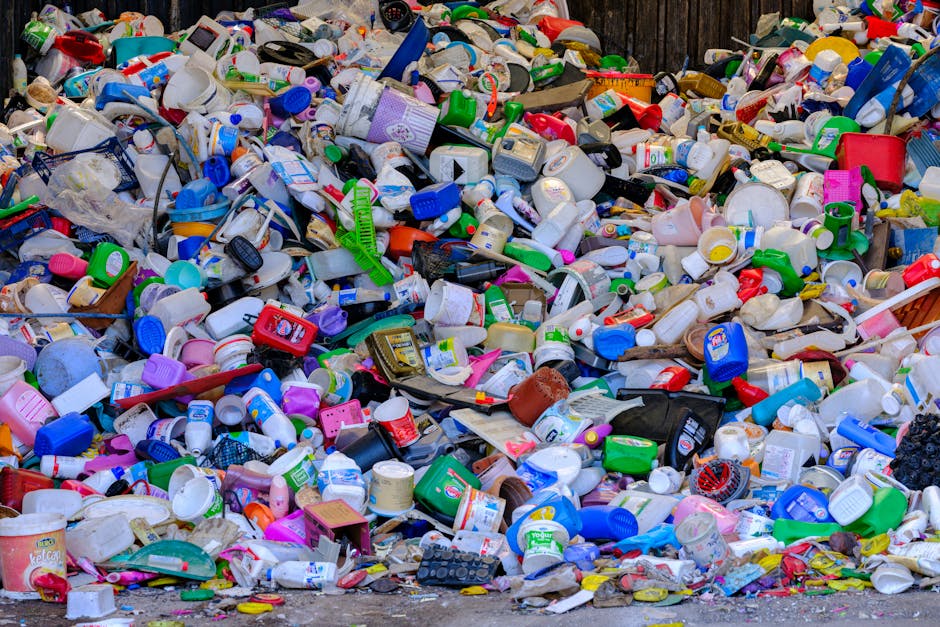
You do not need much to manage waste well, but the right tools help. A few simple items can make rubbish handling around Lansdowne Way much smoother.
- Strong refuse bags: especially useful for mixed household waste and lightweight bulky materials.
- Reusable boxes or tubs: handy for sorting paper, cans, and small recyclables before collection.
- Gloves: especially when dealing with broken items, dusty loft clear-outs, or garden waste.
- Hand trolley or sack barrow: useful if you have heavy or awkward items to move safely.
- Labels or marker pens: simple, but very effective for keeping waste streams separate in shared properties or offices.
On the service side, it helps to choose a provider that is transparent about what they collect, how they sort waste, and what happens after removal. If you need a clearer overview of the options, the pricing and quotes page is useful for understanding how a job may be assessed, and the insurance and safety information is worth reading when you are dealing with heavier or more awkward items.
For people comparing disposal routes, it can also help to understand the difference between a general rubbish pickup, a clearance job, and a specialist service. A one-off pile of domestic clutter is not the same as office furniture, and neither is the same as builders' waste. Choosing the right route saves time and avoids that "we booked the wrong thing" feeling, which is never fun.
Law, Compliance, Standards, or Best Practice
Waste handling in the UK is not something to leave to guesswork. Even in everyday situations, there are practical and legal expectations around how rubbish is stored, transferred, and removed. The safest approach is to use licensed, responsible collection methods and avoid handing waste to anyone who cannot clearly explain where it goes next.
For residents, the main point is simple: do not leave rubbish where it blocks access, creates a nuisance, or risks attracting pests. For businesses and landlords, there is more responsibility around record-keeping, proper sorting, and making sure waste is handled by appropriate carriers. You do not need to become a compliance expert overnight, but you should expect a professional service to operate cleanly, safely, and with clear processes.
Best practice also matters in shared buildings. In Stockwell, where flats and mixed-use spaces are common, waste left in communal corridors or by entrances can quickly become an issue for everyone. A tidy, consistent approach protects both the property and the people using it. That is not just about rules. It is about respect, really.
If you are comparing waste services, it is sensible to look for clarity on payments, security, and customer information handling too. Those details may seem dry, but they matter when you are arranging access, collection times, or a payment for a larger job. The company's payment and security and privacy policy pages give an extra layer of reassurance.
Options, Methods, or Comparison Table
There is no single perfect way to deal with waste near Lansdowne Way. The right method depends on volume, item type, timing, and how much lifting you want to do yourself. Here is a practical comparison.
| Option | Best for | Pros | Watch-outs |
|---|---|---|---|
| Kerbside recycling or bin use | Small everyday household waste | Convenient, familiar, low effort | Limited space, contamination risk, collection schedules matter |
| DIY disposal | People with a suitable vehicle and time | Full control, useful for sorted loads | Lifting, transport, access, and time can be a hassle |
| Rubbish removal service | Mixed household waste, bulky items, quick clearances | Fast, practical, usually less stressful | Needs clear item lists and easy access |
| Specialist clearance | Builders' waste, office clear-outs, large projects | Better suited to specific materials and volumes | Needs planning and the right service choice |
For many local jobs, a general rubbish removal service is the sweet spot. It bridges the gap between too little space at home and too much waste for a simple bin solution. If the job is bigger or more mixed, household clearance or office clearance can be more efficient. For example, house clearance in Stockwell is often a better fit when rooms are being emptied in stages, while office clearance in Stockwell can help when desks, chairs, and documents need removing with less disruption.
Case Study or Real-World Example
A recent-style scenario in a Stockwell flat is easy to picture. A tenant moved out of a two-bedroom property near Lansdowne Way with a mix of old furniture, cardboard boxes, a broken bedside lamp, and several bags of general waste left behind after packing. Nothing unusual, just the sort of job that looks manageable until you start carrying it downstairs.
The first step was sorting. Cardboard was flattened and stacked separately. The lamp and other electrical bits were set aside. Reusable items were identified, and general waste was bagged securely. A quick look at the furniture showed that one table could be donated or reused, while the rest needed removal. That saved time and reduced the volume of waste going into disposal.
Because the space was a flat with narrow access, the job worked best with a coordinated collection rather than multiple small trips. The result was simple: less disruption, cleaner shared space, and no abandoned pile hanging around in the hallway. One of those jobs that feels oddly satisfying when it is finished. You open the door, and the place can breathe again.
It also highlighted an important point: the best waste solution is rarely the one that sounds easiest at first. It is the one that matches the actual mess in front of you.
Practical Checklist
Use this quick checklist before you get rid of waste in or around Lansdowne Way.
- Have I separated recycling from general rubbish?
- Are all bags tied securely and not overloaded?
- Have I set aside batteries, electronics, sharp items, or other special waste?
- Is any furniture or equipment reusable, sellable, or donatable?
- Do I know whether the load is household rubbish, garden waste, builders' waste, or office waste?
- Is the collection point clear and accessible?
- Have I checked for any items that need special handling?
- Do I have the right service, vehicle, or disposal route for the amount of waste involved?
- Will the area be left tidy once the waste is removed?
- Have I avoided mixing wet, dirty, or contaminated waste with clean recyclables?
Simple rule of thumb: if an item is awkward, heavy, sharp, wet, or electrical, stop and think before you toss it in with everything else. That little pause pays off.
Conclusion
Recycling and rubbish tips for Lansdowne Way Stockwell are really about keeping everyday life smooth. When waste is sorted properly, homes feel calmer, shared areas stay cleaner, and bigger clear-outs become far less stressful. Whether you are handling a few bags after a tidy-up or planning a full clearance, the basics stay the same: separate items early, choose the right disposal route, and do not let clutter snowball.
If you want the job done without the usual faff, it helps to work with a service that understands local property layouts, access issues, and the different types of waste people actually deal with around Stockwell. That kind of practical support makes a bigger difference than most people expect.
Get a free quote today and see how much you can save.
And if you are standing in the hallway looking at a pile of "stuff" right now, do not worry. One sorted bag at a time is still progress.


 Tipper Van - Rubbish Removal and Waste Clearance Prices in Stockwell, SW8
 Luton Van - Rubbish Removal and Waste Clearance Prices in Stockwell, SW8