




Local rubbish collection on Clapham Road Stockwell
Posted on 03/09/2026

Local rubbish collection on Clapham Road Stockwell: a practical local guide
If you live, work, or manage property near Clapham Road in Stockwell, rubbish has a way of piling up at the least convenient moment. One week it is a flat clearance after a move; the next it is bagged household waste, broken furniture, or a pile of builder's debris that suddenly feels larger than the room itself. Local rubbish collection on Clapham Road Stockwell is about more than simply "taking the rubbish away". It is about keeping homes, shops, and shared spaces tidy, reducing stress, and making sure waste is handled properly, safely, and with as little disruption as possible.
This guide walks through how local rubbish collection works, what to expect, who it helps, and how to choose the right approach for your situation. You will also find practical checklists, common mistakes to avoid, and a realistic comparison of options. No fluff. Just the useful stuff people actually need on a busy London road.
Why local rubbish collection on Clapham Road Stockwell matters
Clapham Road runs through a part of Stockwell where daily life is always moving. People are coming and going, deliveries stop and start, housing layouts can be tight, and there is often very little spare space to store waste. That makes rubbish collection a lot more than a background task. If waste is left too long, it can block entryways, attract pests, create smells, and make a property feel neglected. In shared buildings, it can also cause friction between neighbours. And nobody wants that sort of hassle on a Tuesday morning.
Local collection matters because the area has a mix of housing types and uses: flats, converted buildings, small businesses, rental homes, and properties in transition. A single solution rarely fits every situation. A scheduled household uplift may work for regular waste, but it is not ideal for a sudden house clearance or renovation debris. That is where a more flexible local rubbish collection service becomes useful.
There is also a practical London reality here. Roads like Clapham Road are busy enough without wasted trips, overflowing bins, or rubbish bags sitting out all day. The right collection approach helps keep things moving and reduces the chance of missed pickups, damaged communal spaces, or awkward last-minute clean-ups. Truth be told, it saves people from a lot of small annoyances that stack up fast.
If you are comparing broader waste services in the area, it can help to explore the wider range of support available through the services overview or look at specific options such as waste clearance in Stockwell when the job is more than standard rubbish removal.
How local rubbish collection on Clapham Road Stockwell works
In simple terms, local rubbish collection involves arranging for unwanted items or waste to be collected from your property, then sorted, loaded, transported, and handled at an appropriate waste facility. The exact process depends on what you need removed. A few bin bags are straightforward. A full flat clear-out after a move is a different story entirely.
Most services start with a description of the waste. This might include general rubbish, furniture, appliances, garden waste, builders' waste, office clutter, or mixed items. From there, the collection can be planned around access, volume, and any handling requirements. On roads like Clapham Road, access matters a lot. Staircases, narrow hallways, controlled entry systems, and parking restrictions can all affect how collection is carried out. A good provider should think about that before arrival, not after.
For example, if you are clearing a small terrace of bags, a couple of bulky items, and some broken shelving, the job may be done quickly with minimal disruption. If you are dealing with post-refurbishment waste, there may be dust, awkward materials, and heavier items that need careful loading. The difference is huge, and the right collection plan should reflect that.
Many people also use local rubbish collection alongside related support such as rubbish removal in Stockwell or builders' waste disposal for construction-heavy jobs. If you are clearing an outdoor area, garden waste removal is usually a better fit than mixing green waste with general household rubbish.
Key benefits and practical advantages
The main benefit is obvious: rubbish disappears. But the real value goes deeper than that. A well-run collection service gives you back space, time, and a bit of breathing room. And on a road as active as Clapham Road, that counts for a lot.
Here are the biggest advantages:
- Faster turnaround: You can clear clutter without waiting for the next bin day or spending your evening making trip after trip to a disposal site.
- Less physical strain: Heavy lifting, awkward furniture, and sharp or bulky items are handled for you.
- Cleaner surroundings: A tidy entrance, hallway, or pavement-facing area looks better and feels better.
- Better compliance: Proper handling reduces the risk of waste being fly-tipped or disposed of incorrectly.
- More flexibility: Collection can often be arranged around your schedule rather than the other way around.
- Better for property presentation: This matters if you are renting, selling, or preparing a home for viewings. Even one pile of rubbish can throw off the whole impression.
There is also a less obvious benefit: emotional relief. People often underestimate how much clutter weighs on them. A spare room full of old furniture, a shop stockroom full of broken packaging, or a hallway stacked with renovation leftovers can quietly drain your energy. Clear the waste, and the place feels different. Lighter, somehow. A bit easier to live in.
Practical summary: Local rubbish collection on Clapham Road Stockwell is most useful when you need a quick, lawful, and low-stress way to remove waste without disrupting the day-to-day rhythm of home or work life.
Who this is for and when it makes sense
This kind of service suits a wide range of people, and the situations are often more ordinary than you might expect. You do not need a huge clearance project to justify it. Sometimes it is just the right tool for a very normal problem.
It makes sense for:
- tenants moving out and needing a quick clear-up
- homeowners dealing with old furniture, appliances, or general clutter
- landlords turning over a flat between occupancies
- letting agents preparing a property for new photos or viewings
- small businesses clearing packaging, shelves, or office clutter
- builders and tradespeople producing non-hazardous site waste
- families handling a bereavement or house clearance with care
- gardeners and homeowners clearing cuttings, branches, and outdoor debris
If you are listing a property, for instance, waste removal can be part of making the place presentable before viewings. That ties in neatly with local housing activity, especially if you are already reading up on selling your house in Stockwell or looking at property moves in the area. A clean, uncluttered property tends to photograph better. Not rocket science, but it matters.
If you are on the fence, ask yourself one question: is the waste slowing down the next step? If the answer is yes, collection probably makes sense. A home office full of old files, a back room jammed with cardboard, or a front garden with broken items all create friction. And friction, in property and business, is expensive in little ways.
Step-by-step guidance
If you have never booked local rubbish collection before, the process can feel vague. It does not need to be. Here is a straightforward way to handle it.
- Sort the waste into rough categories. Separate general rubbish, bulky items, reusable items, green waste, and anything that may need special handling.
- Estimate the volume. Is it a few bags, a quarter load, or more like a full room? You do not need to be exact, just honest.
- Check access. Note stairs, narrow hallways, parking limits, lifting restrictions, or controlled entry systems.
- Remove anything you want to keep. It sounds obvious, but people often forget one drawer, one box, or one bag. The "I thought that was rubbish" moment is a classic.
- Ask about collection timing. Flexible timing can matter if you are clearing just before a move, a delivery, or a handover.
- Confirm what is and is not accepted. Some items need different handling, so do not assume everything can go together.
- Prepare the items for easy loading. Bag loose waste, bundle lightweight items, and keep paths clear where possible.
- Review the final arrangement. Make sure you understand the expected price structure, the collection window, and any conditions.
That last step is important. A decent service should be transparent about pricing and what you are paying for. If you want to compare approaches, it is worth looking at pricing and quotes before you decide. It gives you a clearer picture and helps avoid the "wait, that costs what?" moment. Nobody enjoys that one.
Expert tips for better results
The difference between a smooth collection and a mildly chaotic one is usually in the preparation. A few small habits go a long way.
- Stack items with access in mind. Do not block hallways or front doors with waste. Even a short block creates problems when someone needs to pass.
- Keep wet and dry waste apart if possible. It helps sorting and can reduce mess.
- Photograph larger loads before collection. This can help you remember what is being removed and can be useful if the job is being planned remotely.
- Flag fragile surfaces or awkward access points. Shared stairwells, polished floors, and narrow turns are worth mentioning in advance.
- Book a little earlier than you think you need to. Last-minute arrangements are possible, but planning is kinder to everyone involved.
- Use the right service for the job. A garden clearance is not the same as a house clearance, and an office clearance is rarely just "some rubbish".
One small but useful tip from real life: if the waste is coming from a move or renovation, keep a separate "not rubbish" zone. A box marked keepsakes, chargers, documents, and keys can save you from a surprisingly annoying search later. We have all done the rummage-through-three-black-bags routine. It is never fun.
For larger property clean-ups, especially after a tenancy or family home clearance, browsing house clearance in Stockwell can be helpful. If the job is commercial rather than domestic, office clearance may be the better fit.

Common mistakes to avoid
Most rubbish collection problems are preventable. The tricky part is that the mistakes often feel minor at the time. They are not, though. Not really.
- Underestimating the volume: A small-looking pile can turn into a bigger collection once it is bagged or loaded.
- Leaving access issues unmentioned: A parked van spot, narrow gate, or awkward staircase can change the whole job.
- Mixing everything together: Some waste streams are better kept separate for handling and recycling purposes.
- Assuming all waste is the same: General rubbish, green waste, and builders' waste usually need different planning.
- Waiting until the last minute: This is how stress piles up, then doubles for no reason.
- Not checking what happens next: You should know whether the waste will be sorted, recycled where possible, and handled responsibly.
Another common issue is leaving collection until the point where it becomes a safety problem. Trip hazards, blocked exits, damp cardboard, and unstable stacks are not just inconvenient. They are avoidable risks. If a load is getting in the way of daily movement, it is time to act.
Tools, resources and recommendations
You do not need much to organise a proper collection, but a few simple tools make the process smoother.
- Heavy-duty bin bags: Useful for mixed light waste and loose clutter.
- Moving boxes or crates: Helpful for sorting items that need to stay grouped.
- Marker labels: A quick label like "keep", "donate", or "remove" saves confusion later.
- Basic gloves: Handy when sorting sharp, dusty, or grubby items.
- Phone camera: Great for showing the size and type of waste if you are arranging collection remotely.
- Tape measure: Very useful for bulky items such as wardrobes, desks, or mattresses.
On the recommendation side, choose a provider that is clear about access, handling, and where different waste types go after collection. If sustainability matters to you, look for a service that explains its approach to sorting and recycling in plain English. The page on recycling and sustainability is a good place to understand that broader mindset.
It is also sensible to review trust and service information before booking. For example, insurance and safety can matter more than people realise, especially if items need to be moved through tight communal areas or up several flights of stairs. Small detail, big difference.
Law, compliance, standards, and best practice
Waste handling in the UK is not something to be casual about. You do not need to become a legal expert, but you should expect any rubbish collection service to act responsibly, avoid unlawful dumping, and handle waste in line with recognised best practice. That includes taking care with sorting, transport, and disposal routes.
For householders, the practical rule is simple: use a reputable service, be honest about what you need removed, and avoid putting restricted or hazardous items into general waste unless you have been clearly told that they can be handled. If in doubt, ask. It is a lot easier to ask before collection than to sort out a problem after the fact.
For landlords, letting agents, and businesses, the expectations are higher because there is a duty to keep premises safe and orderly. A cluttered exit route, dumped bags in shared areas, or badly managed clearance work can create complaints and potential safety issues. In a shared building, good practice also means respecting neighbours and communal rules. It sounds obvious, but in the real world, it is where many jobs either go smoothly or become a headache.
You may also want to review the provider's terms and data handling policies if you are making arrangements by phone or online. The pages for terms and conditions and privacy policy give a sense of how the service is structured and how information is treated. For payment reassurance, payment and security is worth checking too.
Options, methods, and comparison table
Different waste jobs call for different approaches. The best option depends on volume, urgency, access, and the type of rubbish involved.
| Method | Best for | Strengths | Limitations |
|---|---|---|---|
| Regular council-style bin use | Everyday household waste | Simple for routine disposal | Not suitable for bulky or urgent clearances |
| Self-haul to a disposal site | Small loads with access to transport | Can work for very small quantities | Time-consuming, physically demanding, and awkward for heavy items |
| Local rubbish collection | Bulky loads, mixed waste, time-sensitive clear-outs | Convenient, faster, less lifting for you | Needs clear access and accurate description of waste |
| Specialised clearance service | House, office, garden, or builders' waste | Tailored to the waste type and situation | May be more detailed to arrange |
For many Clapham Road properties, local rubbish collection is the sweet spot. It is more flexible than routine bin disposal and far less effort than trying to shift everything yourself. If the task involves multiple categories, it may be worth blending collection with a more specific service such as builders' waste disposal in Stockwell or garden waste removal. The right method saves time and reduces mess. Simple, really.
Case study or real-world example
Take a typical local scenario. A tenant moves out of a flat near Clapham Road and leaves behind a broken chair, a mattress, several bin bags, a bookcase, and a few odds and ends in the hallway. Nothing dramatic, just enough to make the place feel cramped and untidy. The landlord wants the flat ready for a cleaner and new photos by the end of the week.
Instead of trying to handle it piece by piece, the property manager lists the items, checks access to the building, and books a local collection. The waste is grouped near the entrance, care is taken not to block the communal corridor, and the load is removed in one visit. The flat is then easier to clean, easier to view, and far less stressful to hand over. No drama. No extra weekend spent lifting awkward furniture down stairs.
Now compare that with the same job handled late, with no planning. Bags get scattered. Someone cannot get past. The mattress sits in the rain for two days. The cleaner has to work around the mess. That is the difference a clear collection plan makes. It does not have to be complicated to be effective.
That same logic applies to local businesses, especially small offices that build up packaging, shelving, and outdated equipment. A planned office clearance can reset the space quickly and keep the working week on track.
Practical checklist
Use this checklist before your collection day. It keeps things calm, and calm is underrated.
- Identify the waste type: general, bulky, garden, builders', office, or mixed
- Estimate how much needs to go
- Check whether anything should be kept aside
- Clear access routes inside the property
- Note stairs, parking, gates, or locked entry points
- Separate reusable items if you want to donate or keep them
- Bag or bundle loose waste where practical
- Confirm the collection time window
- Ask what happens to the waste after removal
- Review pricing, payment, and service conditions
- Make sure communal areas will not be blocked
- Take quick photos of the load if you think they will help
Small but useful reminder: if the area is especially busy, such as around Stockwell station routes or commuter paths, it helps to keep the collection process tight and organised. Less waiting around, less chance of clutter spreading, less stress all round.
For people wanting a bit more context on how the local area works day to day, the article on Stockwell life and local residents' views offers a broader sense of the neighbourhood. And if you are near the station, rubbish removal near Stockwell Station SW9 is also a useful nearby read.
Conclusion
Local rubbish collection on Clapham Road Stockwell is at its best when it feels simple, safe, and genuinely convenient. That is really the point. Whether you are clearing a flat, preparing a property for sale, tidying a garden, or just dealing with a build-up of clutter, the right collection approach helps you move on quickly and without the usual mess.
The strongest results come from a little preparation, a realistic estimate of what needs removing, and a provider that understands access, timing, and responsible handling. Get those parts right and the rest tends to fall into place. And if the job feels bigger than expected, that is fine too. It happens all the time.
Get a free quote today and see how much you can save.
Sometimes the clean-up is the beginning of the relief, not the end of the task. A clear space has a way of giving a little optimism back.
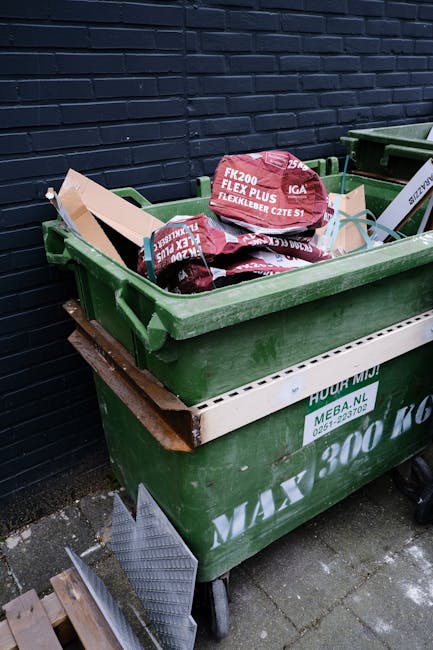


 Tipper Van - Rubbish Removal and Waste Clearance Prices in Stockwell, SW8
 Luton Van - Rubbish Removal and Waste Clearance Prices in Stockwell, SW8